

Some books don’t just teach money tips — they change how you view wealth, work, and even life itself. Here’s a handpicked list of titles that do more than inform; they transform.
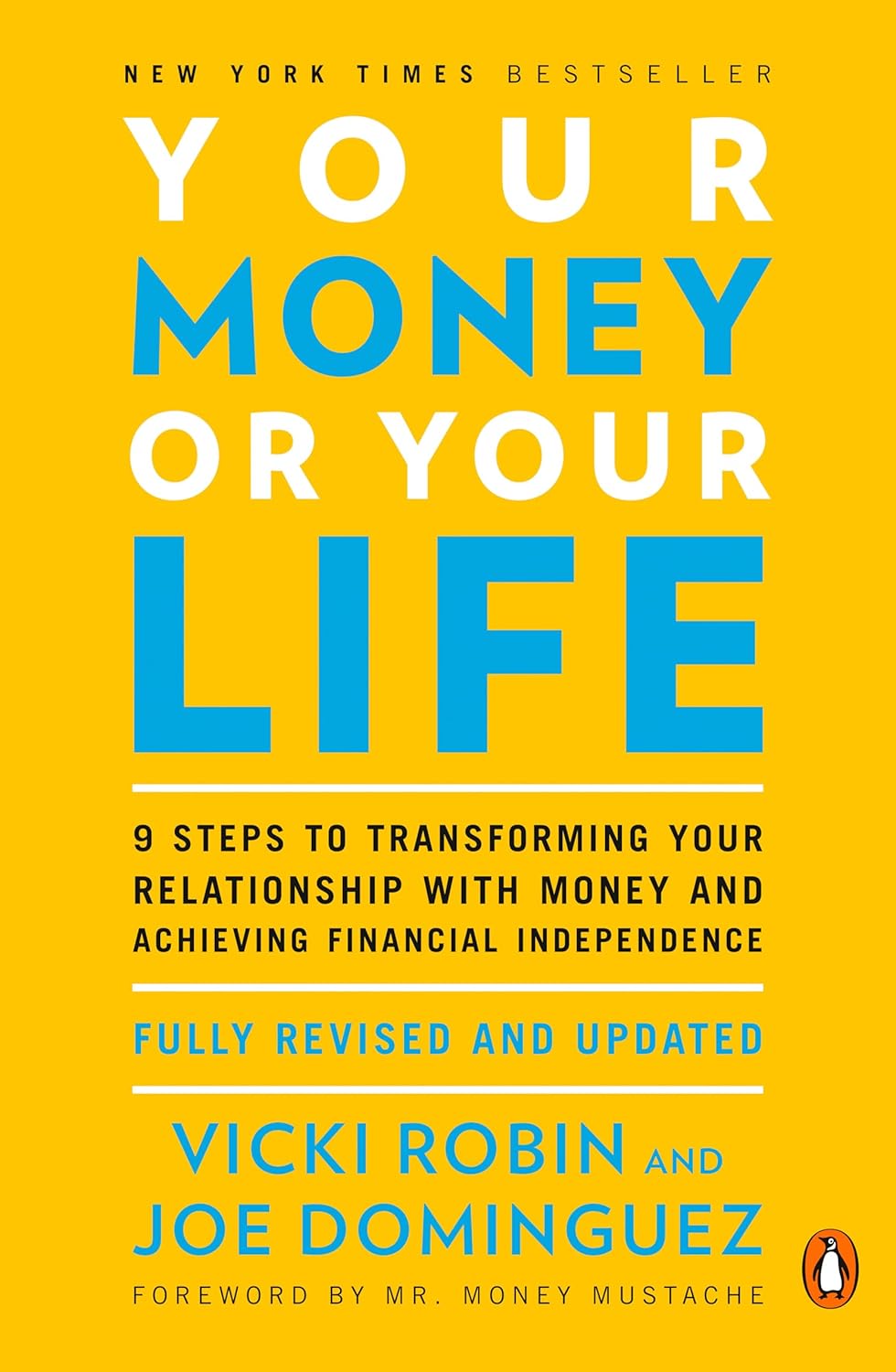
This is not a book about getting rich quickly. It’s about rethinking the role of money in your life.
The authors introduce the concept of “life energy” — the idea that every rupee you earn represents time and energy you’ve spent. When you frame expenses in terms of life hours, suddenly impulse purchases feel different.
Why it matters for Indians: In a culture where status spending is strong, this book pushes readers to question: Am I buying this because I want it, or because society expects me to?
The central finding of this book is deceptively simple: most millionaires are ordinary people with extraordinary discipline. They live below their means, save aggressively, and invest steadily.
It breaks the stereotype of the flashy rich and shows that wealth is often quiet.
Why it matters for Indians: With rising incomes in urban India, lifestyle inflation is rampant. This book is a reminder that true wealth isn’t about expensive cars, but about financial independence.

Closer home, Dhandha shares real stories of Gujarati entrepreneurs who built businesses with resilience and shrewdness. It’s not a technical finance manual, but a window into how cultural attitudes shape money-making.
From risk-taking to frugality, it highlights patterns that can inspire any Indian entrepreneur or professional.

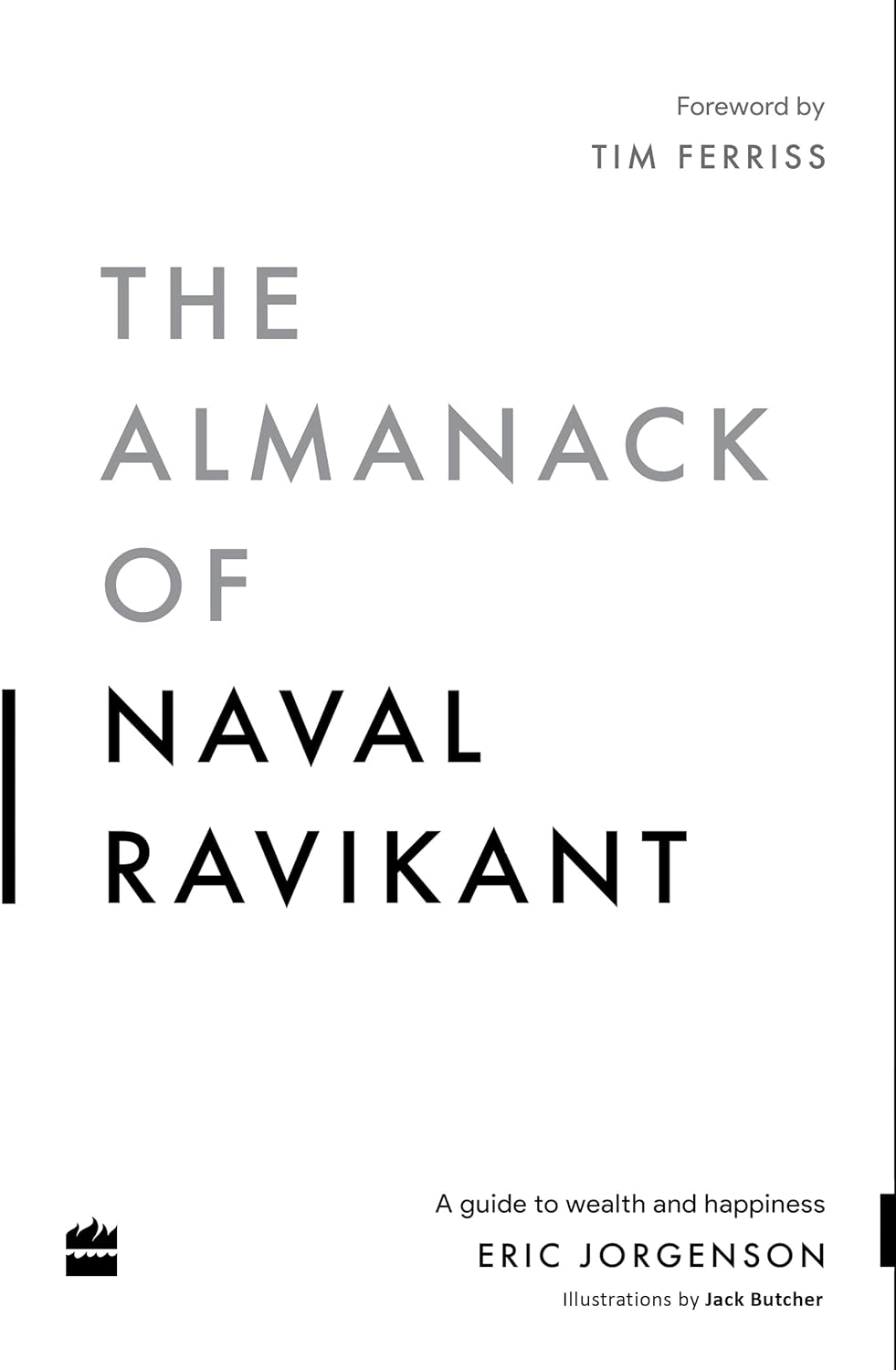
Naval Ravikant is a Silicon Valley angel investor, but his wisdom extends far beyond investing. This book — a curated collection of his thoughts — blends wealth creation with philosophy.
Key themes include:
It’s not a “how-to” manual but a mindset reset.
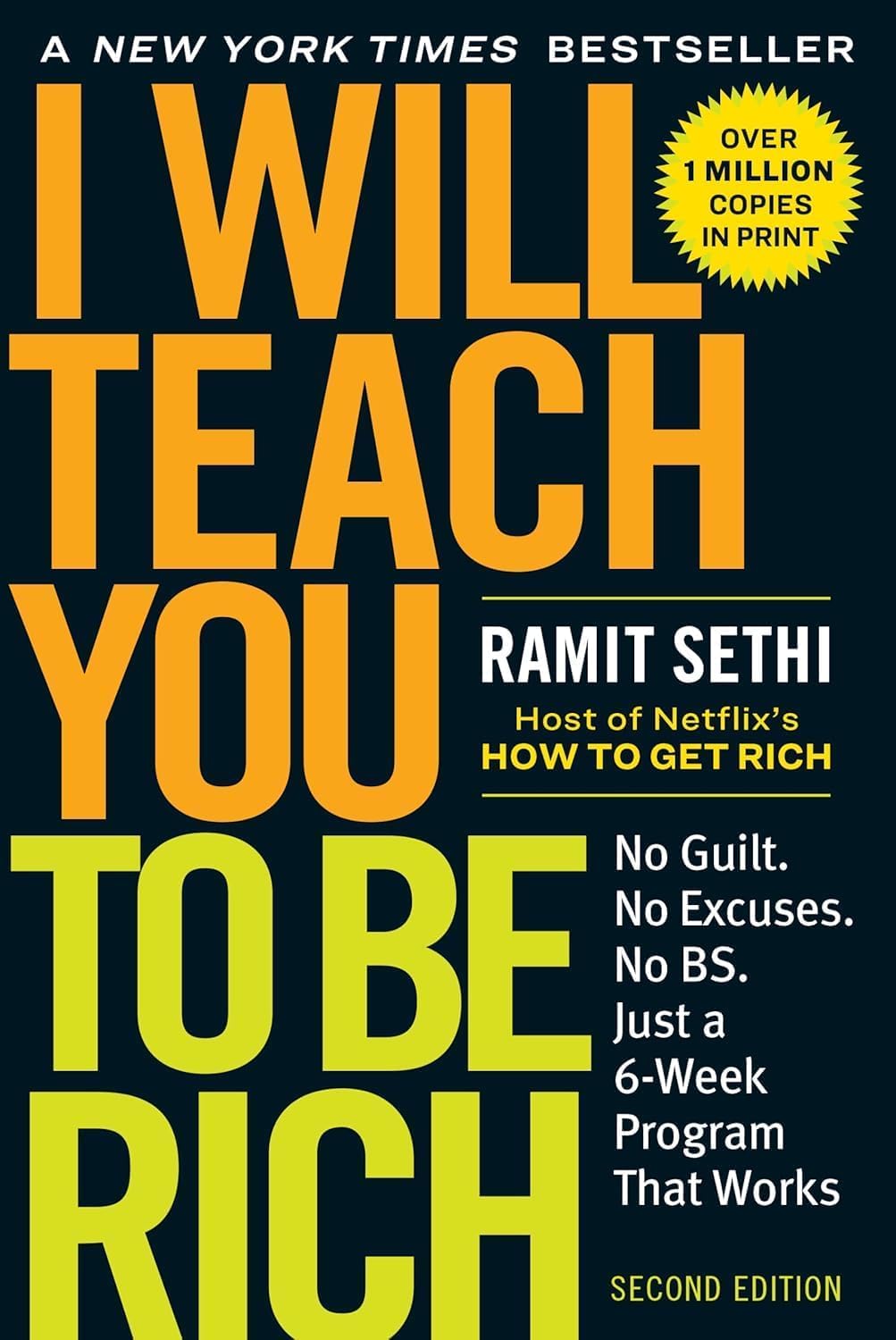
Practical, witty, and unapologetically straightforward, Ramit Sethi’s book is aimed at younger readers starting their financial journey.
It covers:
Why it matters for Indians: While US-focused, many principles apply here too — especially the balance between enjoying your money and growing it.
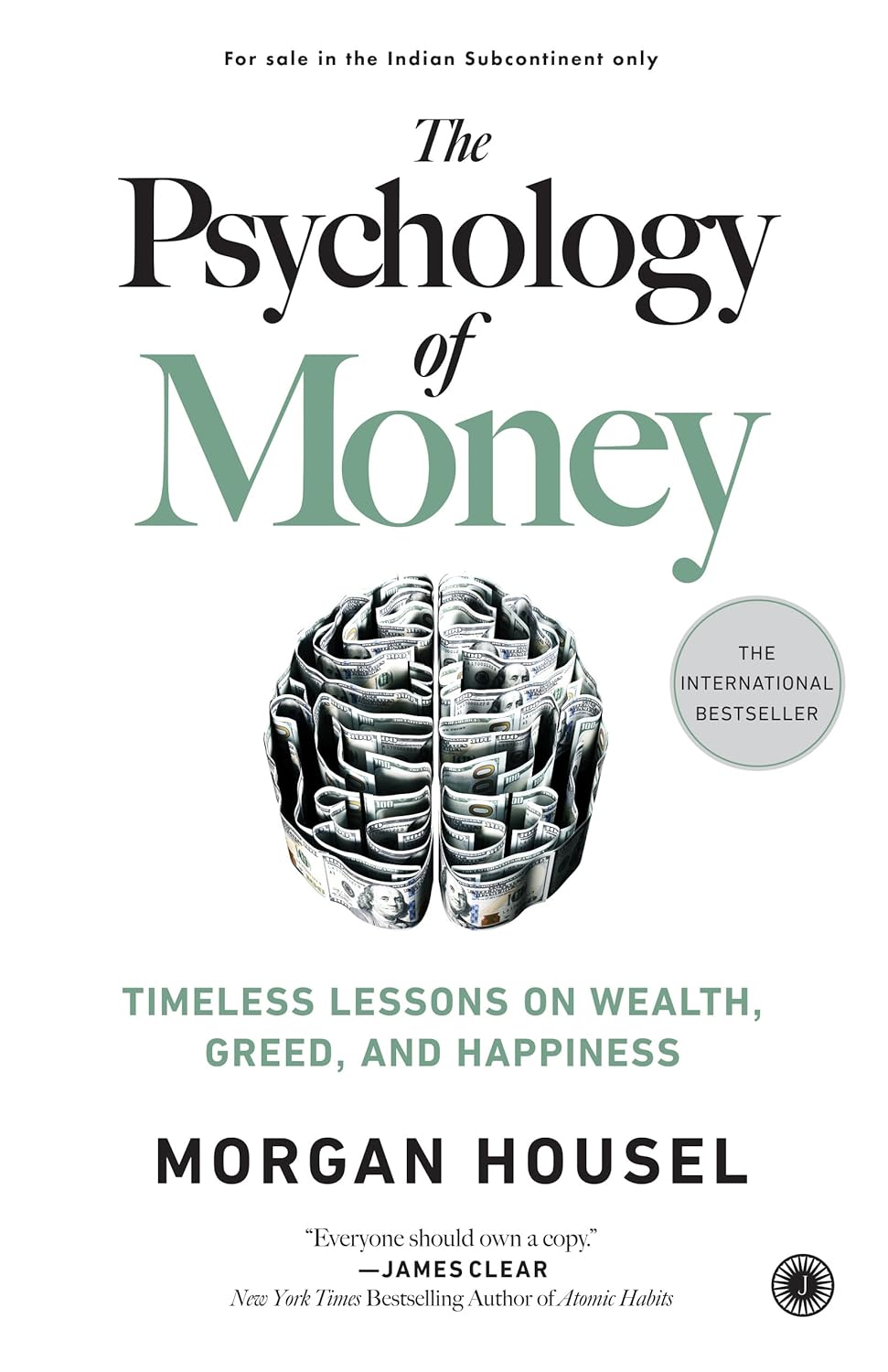
Perhaps the most widely read finance book of the last decade. Housel explains that financial success is more about behavior than intelligence.
With 20 short stories, he shows how greed, fear, luck, and humility shape financial outcomes.
Why it matters for Indians: In volatile markets, where relatives and friends often double as “financial advisors,” this book gives timeless anchors to stay calm and disciplined.
First published in 1926, this small book uses parables set in ancient Babylon to teach timeless lessons: live below your means, save consistently, and make money work for you.
It’s short but powerful — the kind of book you re-read every few years.

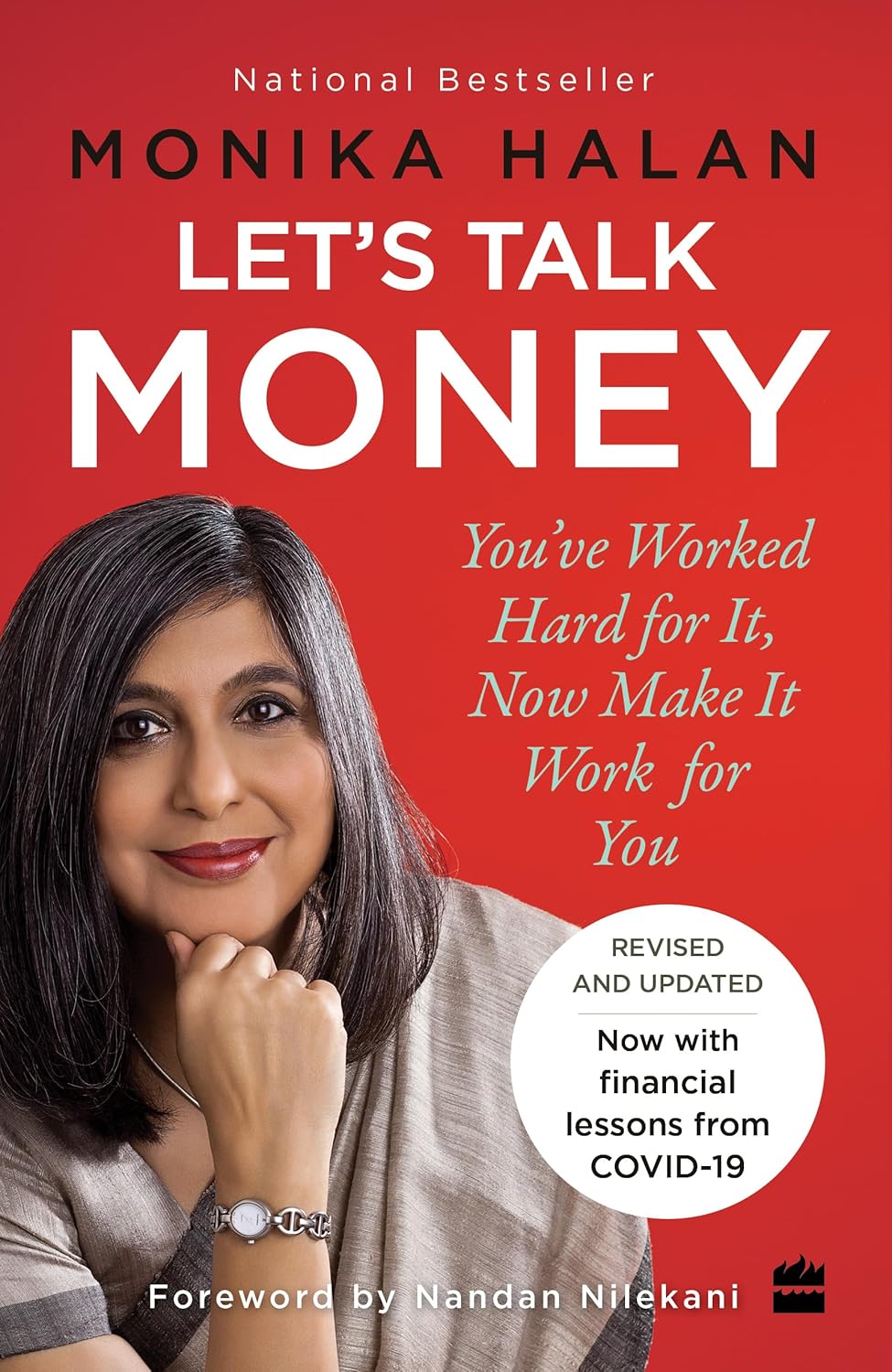
Written specifically for Indian readers, this book demystifies personal finance — from insurance to mutual funds — in plain, relatable language.
Halan argues that financial literacy is not optional. She shows step-by-step how to build a money system that works for your life stage.
For readers in India, this is perhaps the most practical “action guide” on this list.
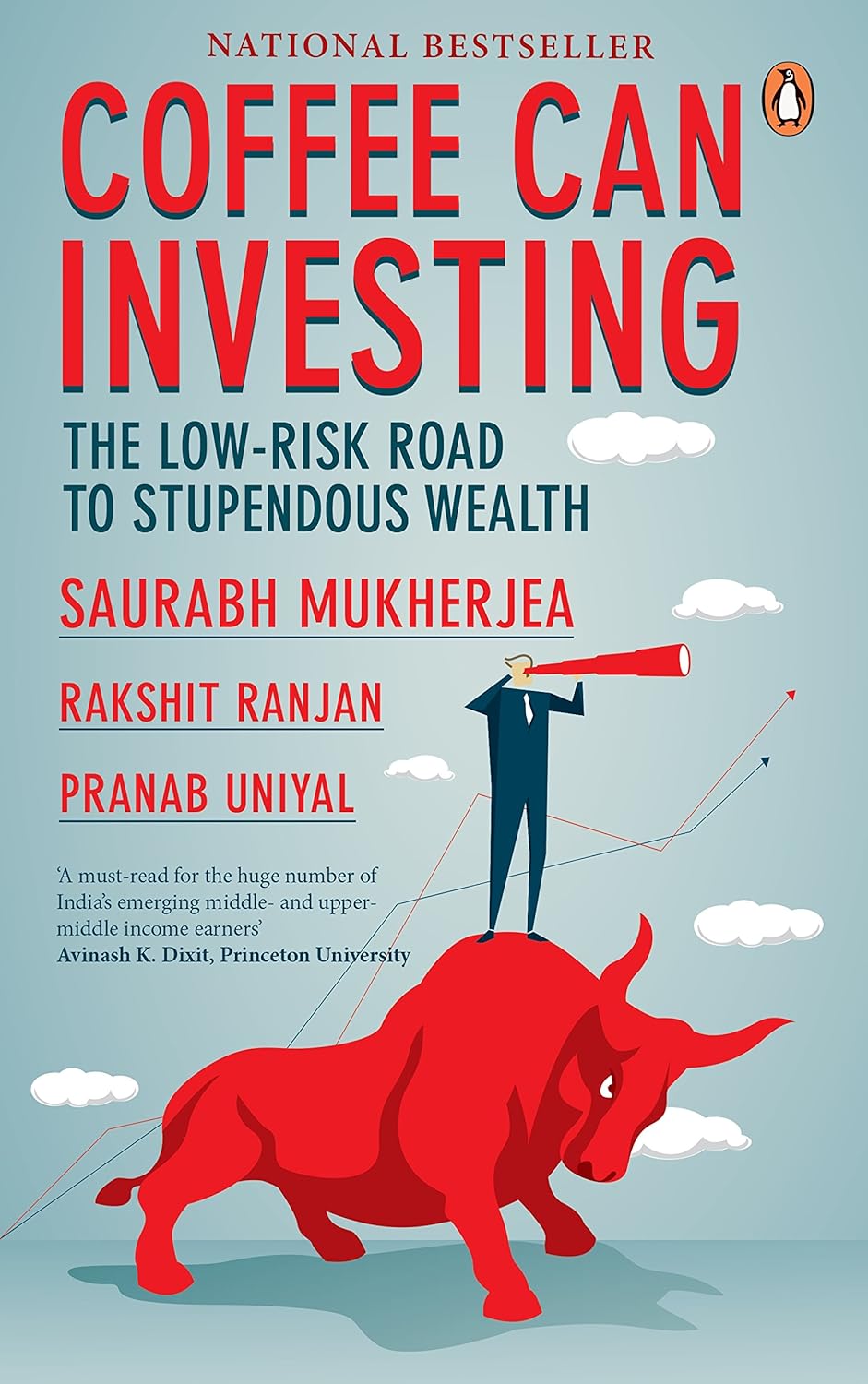
This book focuses on an Indian equity investing strategy — pick a handful of quality companies and hold them long-term, resisting the urge to trade frequently.
The term “coffee can” comes from the old American practice of putting valuables in a coffee can and forgetting about them.
For Indian investors tempted by constant stock tips and market noise, this book is a grounding counterpoint.
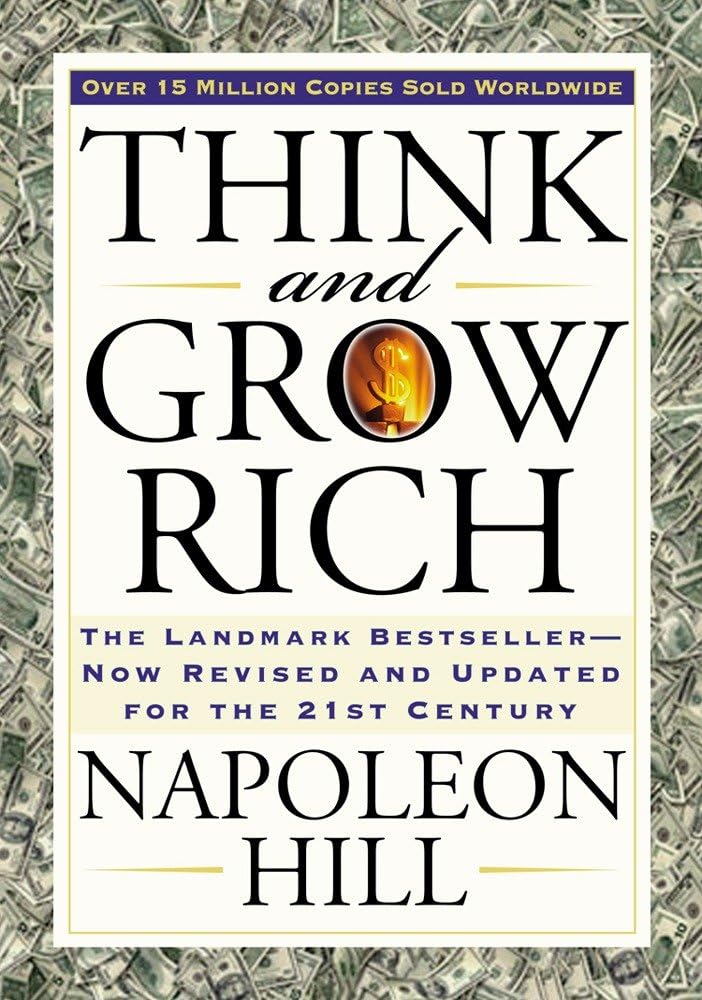
While not a personal finance book in the strictest sense, it has inspired generations of entrepreneurs.
Its lessons are about mindset, goal-setting, and persistence — all of which are prerequisites for financial success.
Why it matters today: Many Indians now aspire beyond stable jobs to entrepreneurial journeys. Hill’s book, despite its age, offers mental models for ambition.
Money is not just maths — it’s emotions, culture, and psychology. These books go beyond formulas to help you reframe your relationship with wealth.
Whether you are a first-jobber, a mid-career professional, or an entrepreneur, reading even a handful of these will shift your thinking in ways that last a lifetime.
Start with one book. Let it challenge you. Let it make you uncomfortable. That discomfort is often the first step toward real financial growth.
.png)

